


EL REGIMIENTO FEMENINO DE BOMBARDEROS DE LA URSS
Sputnik te cuenta cómo una adolescente soviética se convirtió en una navegante aérea del mejor bombardero de la URSS.
Por Laís Oliveira
© Sputnik

El 22 de junio se cumplen 79 años del inicio de la Gran Guerra Patria —nombre dado por la historiografía soviética a la parte de la II Guerra Mundial focalizada en el frente del este, que enfrentó a la URSS y a la Alemania nazi—. Este día de 1941, Adolf Hitler puso en acción la Operación Barbarroja, su plan de invasión de la Unión Soviética.
A pocos días de esta importante fecha, la veterana de guerra Galina Brok-Beltsova recibió al equipo de Sputnik en su casa en Schólkovo, una pequeña ciudad a las afueras de Moscú, donde con mucho orgullo y nostalgia compartió con la nueva generación lo vivido en aquellos días en el frente de batalla.
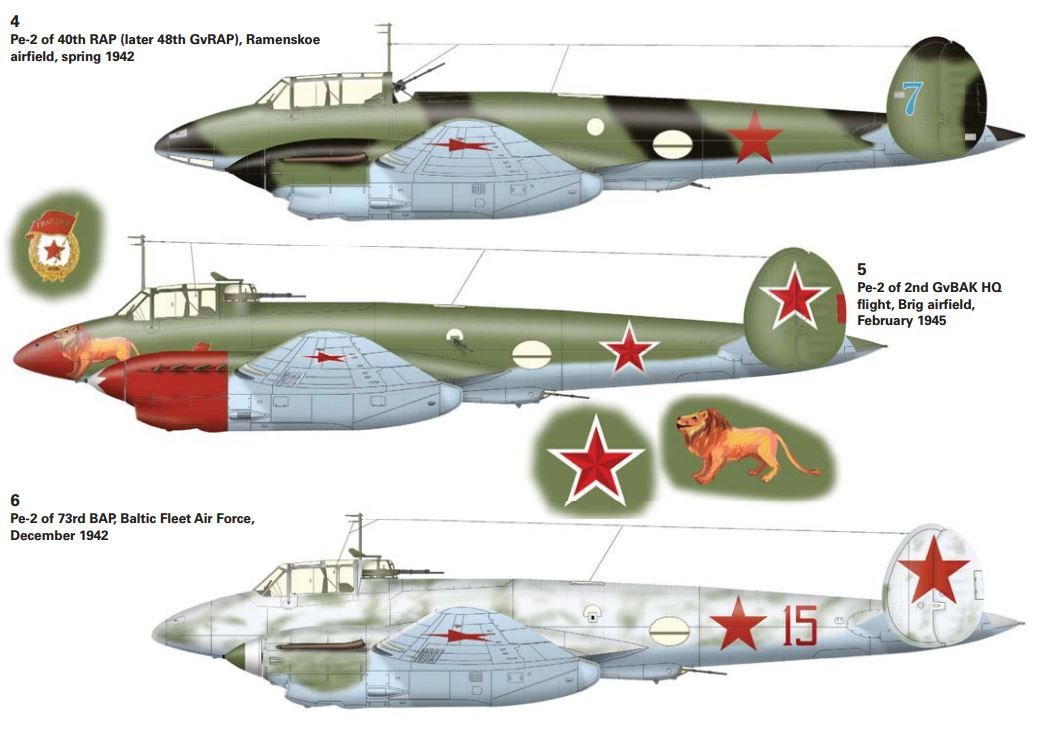
Galina Brok-Beltsova es una leyenda viva. Cuando empezó la guerra, en 1941, tenía solamente 16 años, pero la corta edad no le impidió defender su patria con uñas y dientes. En poco tiempo se unió a las intrépidas jóvenes soviéticas del grupo aéreo femenino creado por la mayor Marina Raskova y, en 1944, partió hacia el frente, donde ejerció la función de navegante aérea y realizó más de tres decenas de vuelos para lanzar bombas sobre el enemigo. Actualmente, es la única sobreviviente del regimiento femenino de bombarderos Pe-2. Petliakov Pe-2 (en ruso Петляков Пе-2), apodado Peshka

El llamado del frente
© Sputnik
«Trabajar en la aviación no estaba en mis planes, yo soñaba con ser una geóloga de exploración. (…) Y de repente llegó la guerra, teníamos que graduarnos de la escuela y decidir qué hacer. Nosotros, los jóvenes deportistas, los mejores alumnos, fuimos a la oficina de reclutamiento de manera voluntaria y pedimos que nos aceptasen en el frente», recuerda la veterana.
«Los mejores de los mejores fueron invitados a la aviación. Nos hicieron exámenes, nos metieron en una centrifugadora, verificaron nuestra salud. Después de todas las pruebas, a nosotros nos enviaron a la Escuela de Aviación de Moscú, que preparaba a los meteorólogos y a los especialistas en comunicación», detalla Brok-Beltsova.
Tras concluir un curso acelerado de meteorología militar, Galina Brok (en aquel entonces todavía no tenía el apellido de su futuro marido) fue una de las nueve jóvenes elegidas, de un total de 400, para hacer un entrenamiento en las más novedosas aeronaves de la época. Una vez concluida esa fase, se convertirían en parte del 125 Regimiento de Bombarderos, una de las tres unidades aéreas femeninas de la URSS.
«Entre estas nueve muchachas estaba yo. Nos fuimos a los alrededores de Kúibishev, a Sizran para un entrenamiento. De allá fuimos para Mari-El, en Yoshkar-Olá, y concluimos nuestra instrucción en un novedoso avión: el bombardero en picado. Durante un año, estudiamos y volamos en tres tipos de aeronaves: primero, el TB-3, un bombardero pesado; después en el SB-2, un bombardero de alta velocidad; y para concluir el programa de entrenamiento probamos el bombardero en picado, el Pe-2», cuenta Galina a Sputnik.
El 23 de junio de 1944, Galina Brok realizó su primera misión de combate, cuyo objetivo era diezmar a las tropas enemigas y destruir sus equipos en la región de Riga (actual Letonia).
*
El avión de la Victoria
© Sputnik
Mientras muchas unidades masculinas volaban en aeronaves consideradas más obsoletas, al 125 Regimiento de Bombarderos le fueron asignados los mejores aviones de este tipo que poseía el Ejército Rojo en aquel entonces, los recién desarrollados Petliakov Pe-2. Este bombardero era capaz de hacer un picado directamente hacia su objetivo, lo que aumentaba la precisión de su ataque y disminuía su tiempo de exposición al fuego antiaéreo.
«Era un avión maravilloso, muy muy esperado, muy muy necesario y victorioso. La guerra aérea contra el enemigo se ganó gracias a que Petliakov creó al comienzo del conflicto bélico este increíble avión, que resultó vencedor de la parte aérea de la Gran Guerra Patria», recuerda con cariño la veterana que, hasta el día de hoy, tiene miniaturas de la aeronave en su casa.
Sin embargo, el novedoso aparato era de difícil maniobrabilidad y en aeródromos improvisados, cubiertos de nieve, controlarlo podía convertirse en una ardua —y a veces fatal— tarea.
«Con el Pe-2 esto pasaba a menudo. Tenía dos motores, doble cola y giraba al despegar. Era preciso regularlo para que los motores trabajaran simultáneamente, sin permitir que girara, porque si se salía de la trayectoria, colisionaría con un montón de nieve, volcaría a alta velocidad, es decir, daría una vuelta de 180 grados. Y el piloto terminaría bajo la aeronave de siete toneladas. Así murieron algunos muchachos», explica Brok-Beltsova.
«Nosotras, las muchachas, todas terminamos el entrenamiento perfectamente. Éramos nueve cuando llegamos. En cada avión volábamos tres: una operadora de navegación, una piloto, y una artillera que también hacía las veces de operadora de radiocomunicaciones. Todas nosotras, después de terminar el entrenamiento fuimos a volar en el frente, sin una única pérdida», añade la ex navegante aérea con mucho orgullo.
El desempeño impecable de estas jóvenes fue reconocido no solo dentro de la URSS. En Francia llegó a escribirse un libro en homenaje al regimiento femenino diurno de bombarderos. En la obra gala, la unidad de la cual Galina formaba parte recibió el apodo de ‘La Furia del Día’, debido a la manera implacable en que lucharon contra las tropas enemigas.








R1 – CHAMBERMAID

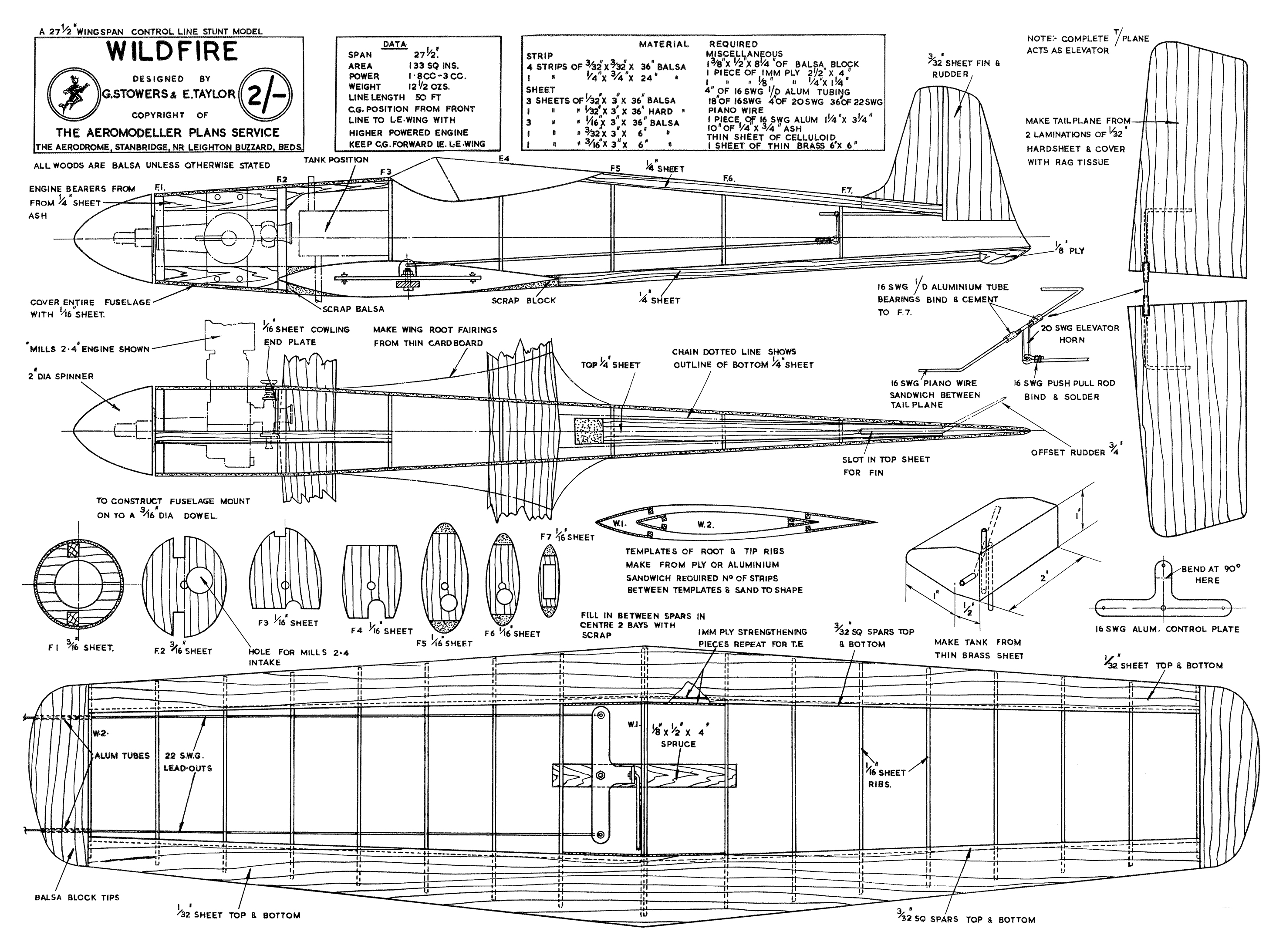
VER Y DESCARGAR ESTE PLANO REDIBUJADO en pdf: R1 – Chambermaid


71° CONCURSO NACIONAL DE AEROMODELISMO – INDOOR. 2017
71° CONCURSO NACIONAL INDOOR 2017
19 al 21 de Agosto 2017
CIRCULO AEROMODELISTA RAFAELINO – RAFAELA (Santa Fe)

Este año, la inscripción al Concurso Nacional está BONIFICADA a todos los participantes que pertenezcan a FAA. Los extranjeros abonarán el monto se especifico en cada categoría en el formulario.
Plazo límite de recepción de inscripciones: 15 de Agosto, hora 24:00.






ESCALA y SPORT VUELO LIBRE (en video)
Bowden Trophy Concurso Nacional del Reino Unido. 29 de mayo de 2017


 Pájaro de Madera
Comentarios recientes